Posted by Admin
January 20, 2026
AI Songwriting: How to Write Songs Using AI (2026 Guide)
AI is disrupting the music industry as we know it by providing new tools to democratize songwriting for musicians of all levels. In 2026, artificial intelligence songwriting is not only a dream of the future but also tangible for guitar beginners and advanced players alike.
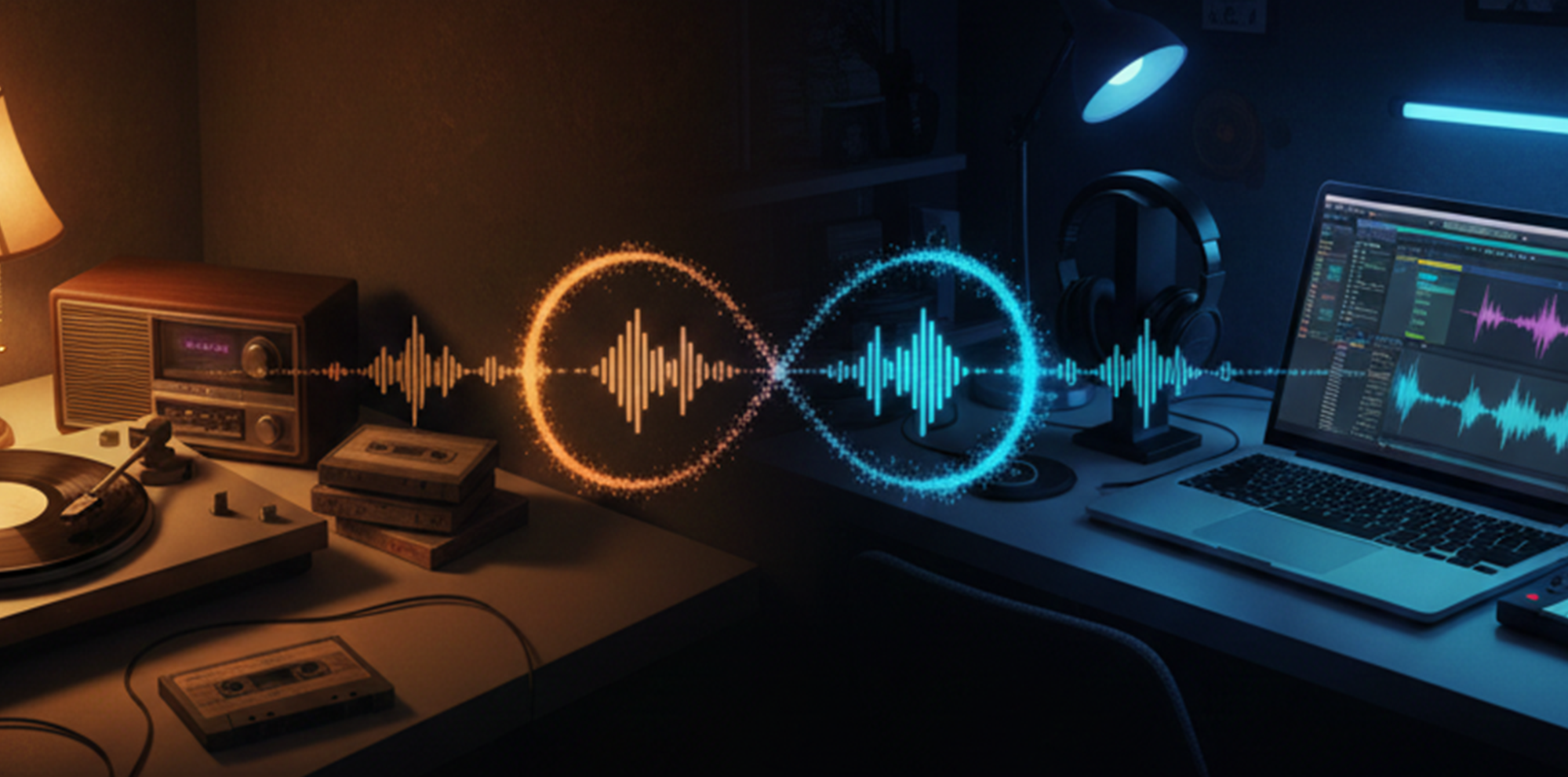
For aspiring songwriters or professional composers, AI tools can also help streamline the process of creation. In this guide, we’re going to look at how AI can write songs, the pros and cons of using AI for songwriting, and how you can responsibly incorporate AI into your music creation.
What Is AI Songwriting?
AI songwriting involves using artificial intelligence to help create original songs, including lyrics and melodies, by simply providing prompts. There are generally two primary flavours of AI songwriting:
- AI-songwriting: The AI provides suggestions, and it is not the sole creator behind a song. It supplies lines, chords, or melodies that the songwriter can build upon and modify.
- In pure AI-generated songs: The AI is a bigger player here, dreaming up everything from the lyrics to its melodies with little interference from humans.
And while AI’s results can be stunning, elements of the human touch are necessary to create music with an emotional punch, and are aided by sentimental value.This combination of human creativity and AI’s speed and technical capabilities creates entirely new types of songwriting experiences.
How Does AI Songwriting Work?

AI songwriting basically works by feeding an algorithm a lot of data from a specific music genre so that it can learn the musical constraints, such as tempo, rhythm, pitch, and harmony. Here's how the process unfolds:
Text Prompts
Begin by giving the AI a straightforward theme or mood. You might enter a theme like “love” or “adventure” and request that the AI create lyrics around it. The AI then produces lyrics to match the input, applying patterns and structures it has learned across a variety of musical genres.
Melody & Chord Suggestions
Some can suggest melodies or chords that fit the generated lyrics, allowing songwriters to riff on song themes.
Genre & Mood Inputs
If the genre or mood (for example, pop, jazz, melancholic) is indicated to the AI it is also possible for songwriters to guide what kind of style they are looking for and therefore can make sure that an output fits with what they have in their mind.
Human Refinement
Though the AI gives them a foundation, humans must guide it toward nuance, emotionality, and originality.
Benefits Of AI Songwriting

AI songwriting works by using algorithms and extensive music data to generate lyrics and melodies based on your input:
Overcoming Writer’s Block
AI, like Sonygram.ai could be a means to get past that creative block by giving you new ideas when you’re stuck, sparking the inspiration if you don’t know where to start.
Speed & Productivity
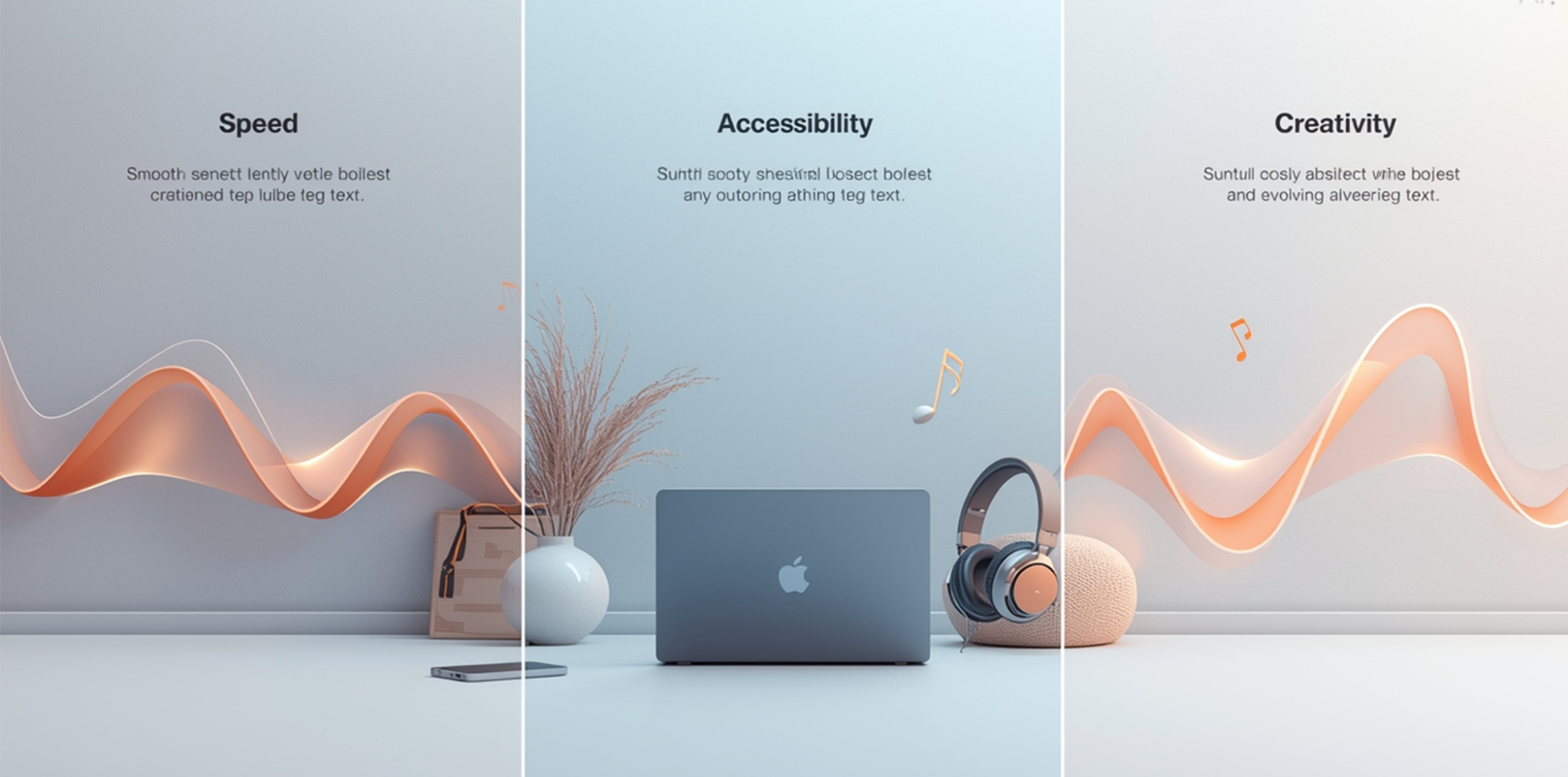
As it stands, AI tools can speed up the songwriting process by taking some of these elements, like lyrics or melody creation, off an artist’s plate. And with AI doing these tasks, songwriters don’t have to devote as much attention to early-stage writing, and can write more songs in less time.
Accessibility For Beginners
AI could be especially helpful for new songwriters who are not steeped in the language and theory of music or even aware that there is a thing as crafting lyrics and melody that adhere to the structure of popular songs.
Experimentation With Styles
AI-based tools can help musicians to discover genres or modes of playing they hadn’t tried before, pushing the boundaries of their creativity.
Limitations Of AI Songwriting
AI songwriting does have its drawbacks, despite all of the benefits:
- Creativity limitations: AI operates according to patterns and known data, so it doesn’t have true creative insight. Its recommendations may seem formulaic or miss the well of human-inspired flow in songs created by humans.
- Emotions: Songs might lack emotional depth, lacking the life experiences known to influence tempo and dynamics or to communicate raw feeling in music.
- Originality: How can we be sure that no data has been used to create AI-generated content that is too similar to already existing tracks?
- Input data dependency: The quality of AI-composed songs depends on the data it has been trained. And if the dataset is not diverse, the AI’s output could be narrow or biased.
How To Write Songs Using AI (Step-By-Step Guide)
Here is how to write a song with AI, and it’s super easy tools:
Song Theme & Mood
Pick a theme and mood for your song. It could be heartbreak, a celebration or a story you want to tell. Consider what you want your message to be, and how it relates to your life or experiences. This theme will influence the mood of the rest of the song.
Write A Song With Ai
Choose your theme and let AI gather inspiration for your lyrics. Just let the AI know what tone you’re going for, be it serious, silly, or romantic. Be clear about your writing style, whether it’s poetic, conversational, or story-driven. Should it be poetic, colloquial, or just tell a story? This writes music that sounds closer to the vibe of your song for AI.
Write A Melody Or Backing Track
This varies, as some AI works on generating a melody to match your lyrics, and others are more chord-based. If your AI tool isn’t capable of this, have it suggest a few chord progressions or create a calming backing track to bolster the mood of the song.
Editing and Customizing Output
Edit the AI-generated output to align with your vision. Feel free to change the words, adjust the tune, or modify the chords if needed. This is your chance to add your personal touch and ensure the song truly represents you.
And Last, Human touch
The last step is to listen and connect with the song emotionally, refine the lyrics or melody until the song feels emotionally complete, and deliver it with an intimate link about what you bring. Make sure that the song you choose is felt by your audience. AI provides the framework for your song, but it’s your imagination and skill that make the song memorable.
AI Songwriting Tools: What to Look For
If you’re in the market for an AI songwriting tool, you should know what features are most critical to serve your needs. Here’s what you should consider:
- Lyrics Creation: The AI needs to generate coherent and original lyrics according to your inputs. That’s important because AI needs to replicate the tone, style, and theme of your song so that it feels authentic.
- Music Production: There are AI products that create melodies or backing tracks to go along with the lyrics. If your AI tool does not offer this, seek out tools that propose chord progressions or a melody generator to assist you in bringing it to life.
- Voice or Vocal Support: When you need vocals, some of these applications can synthesize singing or allow users to upload vocal samples. If you are a vocalist, though, be aware that not all of them supply vocal support before you start recording the vocals.
- Export & Usage Rights: Make sure the AI tool you go with has clear rules on export and usage rights, especially if you plan to sell your music. When dealing with AI-generated content, the protection of your intellectual property is a central concern.
Beginner vs. Professional Musician Considerations
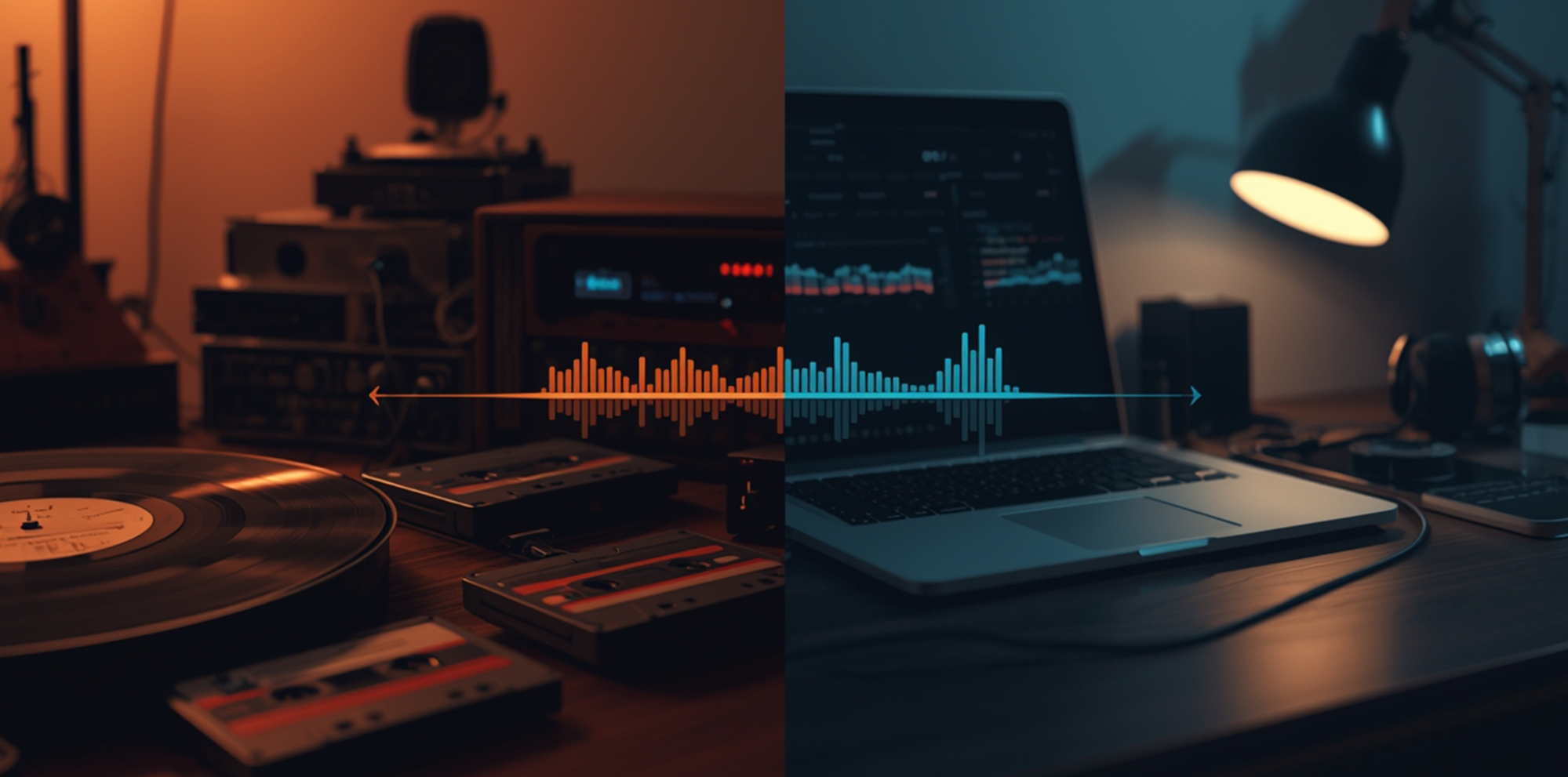
For newcomers, search out an AI tool that is very easy to use, with straightforward prompts and basic harmony options to help you get started:
For Beginners
For beginners, be on the lookout for an AI songwriting tool that is easy to use, with intuitive interfaces and preset lyrics, melodies, and styles. Opt for tools with basic prompts, simple music tracks, and easy editing functions so that you can learn rather than be overwhelmed.
For Musicians & Producers
If you’re an advanced songwriter or producer, seek platforms that give you custom prompts, editing capabilities, and the ability to adjust melodies and rhythmic patterns. We offer a bevy of professional-quality tools that are suitable for AI to assist in creating parts of the song, but your creativity is what truly shapes the final piece, whether in studio or live performances.
Why Human Control Matters
As much as AI songwriting tools are effective, human oversight is still essential. AI can produce tantalizing content at breakneck speed, but it still can’t match the emotional depth, intuition, and personal spin a human brings to a song.
As a songwriter, you will be expected to polish, build upon, and fine-tune the output from the AI so that it reflects your artistic expression. It’s the result of AI’s speed and your creative filters that make for a song that feels authentic and resonant.
AI Songwriting And Copyright: What You Should Know
Here are a few things to keep in mind when using AI to write songs, including some of the legal and ethical considerations around copyright.
Ownership Basics
The person who provides the AI input typically owns the rights to the song. If a significant portion of the song is created by AI, the ownership might become less clear. It’s a good idea to understand the rights related to any material created with an AI tool, especially when different levels of AI involvement are involved.
Legal Grey Areas
The issue of who owns AI-created content is still evolving. Intellectual property laws can vary depending on the region, so it’s best to stay informed. Rules around AI-generated content are still developing, but knowing who created the work can help prevent confusion.
Ethical Considerations
Even if AI is assisting in generating the song, it’s important to credit the AI tool used in the creative process. Crediting maintains transparency and adds integrity to the ethical structure of your work.
Transparency Importance
Being transparent about AI’s contribution to the song allows fans and audiences to better understand how the song was created. This helps them see how AI was used in the process.
Is AI Songwriting Replacing Human Songwriters?
There is a debate occurring as to whether AI will replace humans for songwriting. Have a fair-minded evaluation of that:
AI As A Creative Assistant
The best way to imagine AIs that can write songs is not as replacements for human songwriters, but rather as creative aids. They can be useful as idea generators, writer’s block busters, and accelerants of the composition process, but they cannot replace the nuanced creativity, emotional depth, and life experience that human songwriters bring to their music.
Human Creativity Remains Central
Even though AI can create technically proficient music, it doesn’t have the intuitive-emotive power or the personal touch that imbues music with meaning. Humans bring original stories, feelings, and context to songwriting that AI can’t just replicate.
AI As A Collaborator
AI songwriting could become a collaborative device that aids the songwriter in their creative process. It can suggest, provide options, and be a tool to develop ideas further, but humans will always work at the driving edge of creativity.
The Future Of AI Songwriting (2026 And Beyond)

AI songwriting has a bright future with potential innovations to come. As AI tech progresses, the music industry transformation does as well:
- Co-creation models: In the years ahead, many more songs will probably be co-written between A.I. and human songwriters. AI might be able to help in different aspects of the songwriting process, but it’ll still leave it in the hands of humans to determine its emotional and artistic direction.
- Responsible AI: As AI technology evolves, developers and artists must use these tools ethically. This involves creating transparent systems, respecting copyright laws, and encouraging creativity rather than replacing it.
- Reality check: The role of AI in music production is bound to grow, likely affecting not just songwriting but also music production itself. Your personal touch is reflected in the song. While musicians may use AI to compose parts of their music, the final piece will always carry a human touch.
Conclusion
AI songwriting is transforming the music industry and making it possible for musicians to create significantly more great songs. By knowing when the AI is useful, musicians can use it responsibly and be true to their unique artistic expression.
While AI might aid in ideas and getting over creative humps, it can’t replace the emotional depths that a human songwriter offers. Because as AI gets smarter, musicians are going to have to make the most of that blend of technology and intuition if they want not just to produce their own special music but also music that actually matters.
Frequently Asked Questions (FAQs)
1. Can AI Write a Song?
Yes, AI can generate lyrics, melodies, and even complete tracks. Humans are essential to infuse emotional depth and creative vision into the final piece.
2. What is the 80/20 Rule in Writing Songs?
The 80/20 rule would posit that 80% of the work is a result of raw creativity and ideas, and the final 20% is editing, inserting emotional nuance.
3. Can You Use AI to Write a Hit Song?
As long as you are aware of who owns the copyright, it is ethical for you to use AI as a tool for songwriting. AI can help inspire a song, but the magic touch is human.
4. Do Artists Use AI Songwriting Tools?
Many songwriters rely on AI bandmates to generate lyrics, come up with innovative melodies, or get unstuck when they’re in a rut, particularly in the very earliest stages of music creation.
5. Is AI Songwriting Legal?
Writing with machine intelligence is usually legal, but ownership can get tricky. Rules can vary by region, so it’s best to stay informed and review how different tools approach ownership.