
Posted by Admin
January 23, 2026
Technical Challenges and Ethical Issues in AI Music Generation
AI is increasingly being used in music creation, but its growing role comes with clear technical limitations and ethical concerns. AI can generate sounds in a short time, yet it still fails to produce creative and organized music. The tools encounter difficulties with AI music generation because they produce repeated melodies that do not convey deep feelings. The limitations of AI-generated music affect both its perceived authenticity and its ability to engage listeners.
AI music generation is no longer a side experiment. It is already being used by musicians, producers, and content creators to explore ideas, speed up workflows, and experiment with sound. While these tools can generate music quickly, they still struggle with structure, emotion, and originality, which raises important technical concerns.
At the same time, ethical questions are becoming harder to ignore. Issues around copyright, artist consent, ownership, and transparency affect how AI-generated music is created and shared. This article explains the technical challenges and ethical issues in AI music generation, helping creators understand both the limitations of the technology and the responsibilities that come with using it.
What Is AI Music Generation?
AI music generation occurs when intelligent software creates new musical compositions. The program produces melodies by transforming text, lyrics, and voice input. Many tools face AI music generation challenges, like keeping emotion and originality.
Limitations in AI music technology often lead to repeated sound patterns across different songs. Musicians must understand both AI music ethics and AI-generated music copyright regulations. When used responsibly, AI can help artists explore new creative possibilities without replacing human judgment.
AI-Assisted vs Fully AI-Generated Music
AI can either assist humans in making music or produce songs independently. The understanding of the difference assists with two tasks: resolving challenges related to AI music generation and creating ethical standards for AI music production.
| Feature | AI-Assisted Music | Fully AI-Generated Music |
|---|---|---|
| Creativity | Human guides AI to shape songs | AI creates music with little human input |
| Emotion & Feel | Can capture human emotion | Often lacks emotional depth |
| Originality | Human adds unique ideas | Can be repetitive due to AI music technology limitations |
| Copyright | Easier to manage rights | Raises AI generated music copyright questions |
| Control | High control for creators | Low control over the final output |
| Transparency | Clear human involvement | Needs labeling for AI music ethics compliance |
← Swipe horizontally to view full table →
Technical Challenges In AI Music Generation
AI music generation comes with several technical challenges, particularly in long-duration composition. Although systems can generate short musical passages well, continuity in tune, rhythm, and style throughout a track is challenging. With longer pieces, one can hear repetition, but there’s also a loss of structure and coherence noticeable in the overall listening experience.
Maintaining Musical Structure & Coherence
Keeping songs structured is a big AI music generation challenge. AI technology shows problems with melody creation, rhythm development, and harmony maintenance. Longer compositions often lose cohesion, making the music feel disconnected. Understanding these limitations helps creators use AI tools more carefully and effectively.
Quality, Emotion & Human Feel
AI often struggles to capture real feeling in music. AI music generation challenges include missing emotion and originality. Songs can sound mechanical and less expressive. Understanding AI music technology limitations helps create more responsible AI music.
Genre Limitations & Creative Diversity
AI can struggle to explore different music styles. AI music generation challenges include repetitive sounds and limited creativity. Niche genres often get less representation. Understanding these AI music technology limitations helps support responsible AI music creation.
Data & Training Limitations
AI depends on large music datasets to learn, which makes responsible data sourcing and consent an important concern. AI music generation challenges arise when data is limited or biased. Copyrighted material cannot always be used freely. The restrictions of AI music technology create problems for both artistic expression and operational responsibilities in responsible AI music production.
Computing & Resource Constraints
Generating music with AI needs strong computing power. AI music generation challenges include slow processing and high costs. Complex songs can strain resources and limit creativity. The responsible development of AI music technology requires researchers to understand its existing limitations.
Ethical Issues in AI Music Generation

The ethical concerns in AI music cover three main areas, which include copyright issues, fairness matters, and the protection of artists' rights. AI music creation needs creators to adopt ethical guidelines that function as AI music creation standards.
Copyright & Ownership Concerns
The question of who owns AI-generated music remains open. AI-generated music copyright issues create both legal obstacles and ethical problems. Artists believe that people should not copy their work without giving them the appropriate acknowledgment. AI music creation becomes responsible when creators adhere to AI music ethical standards.
Use of Copyrighted Music for Training
The AI system learns to identify musical patterns through its analysis of pre-existing songs. AI music generation challenges occur because artists include their protected music content without obtaining proper licenses. Artist consent serves as a necessary measure to protect against potential misuse of their work. The practice of following AI music ethicsguarantees that artists handle their AI music work in a responsible manner.
Artist Rights & Fair Compensation
Musicians deserve fair compensation for their musical compositions. The legal problems that arise from AI music technologies can create financial difficulties for musicians while also reducing their professional possibilities. The protection of rights functions as a safeguard against exploitation and wrongful use. The practice of following AI music ethics leads to the creation of responsible AI music work.
Transparency & Disclosure
The listeners need to recognize when music originates from artificial intelligence. Transparent practices establish trust while showing creators proper respect for their audience. The absence of disclosure creates danger to both reputation and credibility. The practice of AI music ethics guarantees producers will create music through responsible AI methods.
Voice Cloning & Identity Misuse
AI can copy a singer’s voice without consent. AI music ethics warn against identity misuse. Deepfake vocals can damage both a person's reputation and their ability to establish trust. The music industry requires responsible AI usage for the creation of music through artificial intelligence.
Real-World Industry Challenges & Examples
Artificial intelligence music development creates new business opportunities, together with actual difficulties that need to be addressed. Many industry players are facing AI music generation challenges and ethical questions.
- Streaming platforms sometimes remove AI-generated tracks due to AI music legal issues.
- Artists express concern over originality and AI music ethics.
- Repetitive AI outputs highlight AI music technology limitations in creativity.
- Unauthorized use of music raises AI generated music copyright concerns.
- Transparent labeling is needed for responsible AI music creation to gain listener trust.
How the Industry Is Responding
The music industry is responding to AI challenges through its ongoing transformation. The companies create permitted music models to protect themselves from AI-based music copyright challenges. Artists work with technical teams to create solutions for AI-based music ethical issues.
The platforms establish complete transparency standards to enable musicians to create music through AI in an ethical manner. The new tools function to decrease the difficulties associated with AI-based music production. The entire organization focuses on developing safe and equitable new technologies.
Best Practices for Responsible AI Music Generation
AI usage needs to be controlled because it protects both musicians and their audiences. Choose ethical datasets to avoid AI music legal issues. People must declare their use of AI systems in order to adhere to existing AI music ethical guidelines.
Human artists should combine their work with artificial intelligence systems to achieve superior outcomes. Artists must create music through AI technology while preserving the rights of their sources. These steps reduce AI music generation challenges and build trust.
The Future of AI Music Generation
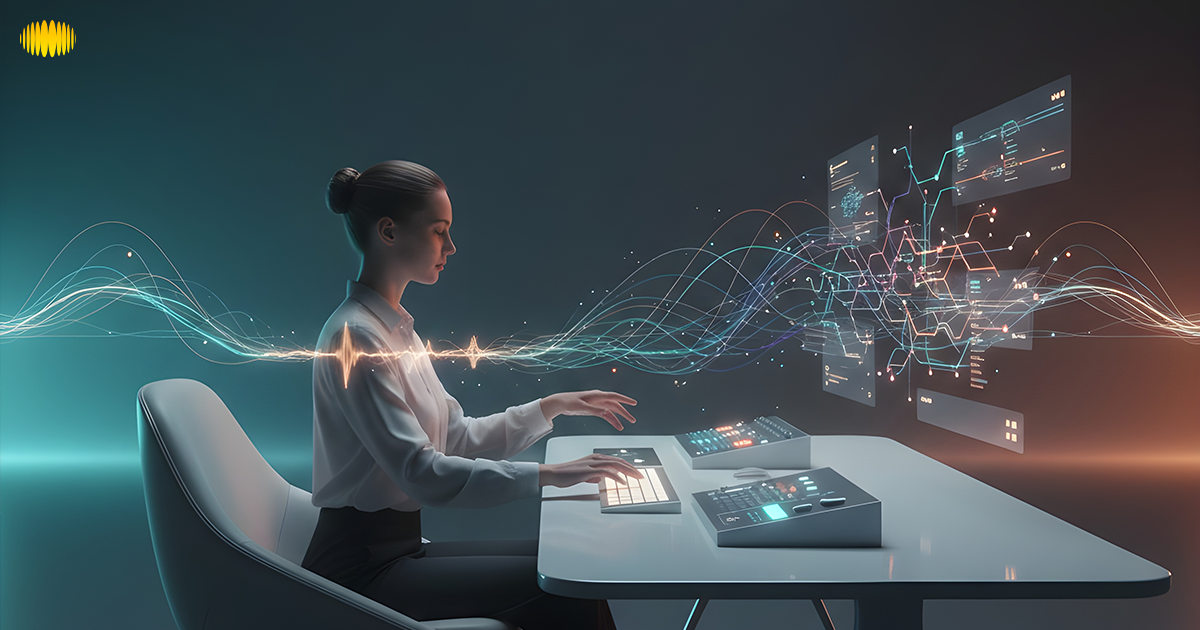
AI music development has reached a rapid pace, which transforms our methods of musical composition and enjoyment. Artists and listeners need to understand artificial intelligence music evolution because it enables them to adapt responsibly.
- AI will assist musicians, enhancing creativity while respecting AI music ethics.
- Co-creation models will blend human skill with AI tools for better output.
- Transparency and labeling will support responsible AI music creation.
- New technologies aim to overcome current AI music technology limitations.
- Legal and copyright frameworks will clarify AI generated music copyright ownership.
Conclusion
AI introduces new ways of creating music, but it also brings important technical and ethical challenges. Key challenges include maintaining emotional depth, originality, and clear musical structure. Ethical concerns about AI music ethics and AI-composed music copyright are very urgent.
Artists and musicians have to get the mix of technology and human artistic creativity right. This will help artists be treated fairly by practicing responsible AI music-creation methods and by building trust with their audience. Establishing ethical, safe, and inspiring futures for AI music will therefore require creative responses that tackle both legal problems and technological obstacles.
Frequently Asked Questions (FAQs)
1. What Are the Main Technical Challenges in AI Music Generation?
AI systems often falter on long song form, emotional depth, and originality. It is still difficult to maintain consistency across an entire track.
2. What Does AI Mean for Music Copyright?
AI-generated music creates issues around who owns and controls it, particularly when entities use copyrighted material to train the AI system.
3. Why Is Transparency Important in AI Music?
Transparent Tagging enables listeners to understand how music is being made and increases trust in creators, platforms, and audiences.
4. How Can AI Be Utilized Ethically in Music?
Responsible use includes synergy between human creativity and AI tools, dealing with ethical datasets, and transparency in the context of AI integration.